1. Scene survey
Before anything is touched, the crew looks over the room for sharp objects, hidden pooling and fragile belongings.
St. George, MO · St. Louis County
Body fluids on a bed, a bathroom floor or a car seat in St. George? Call (877) 812-4220. Crews lift the fluids, treat the odor and dispose of the waste the way biohazard rules require.
If anyone is in danger, call 911 first. For a suicide crisis, call or text 988.
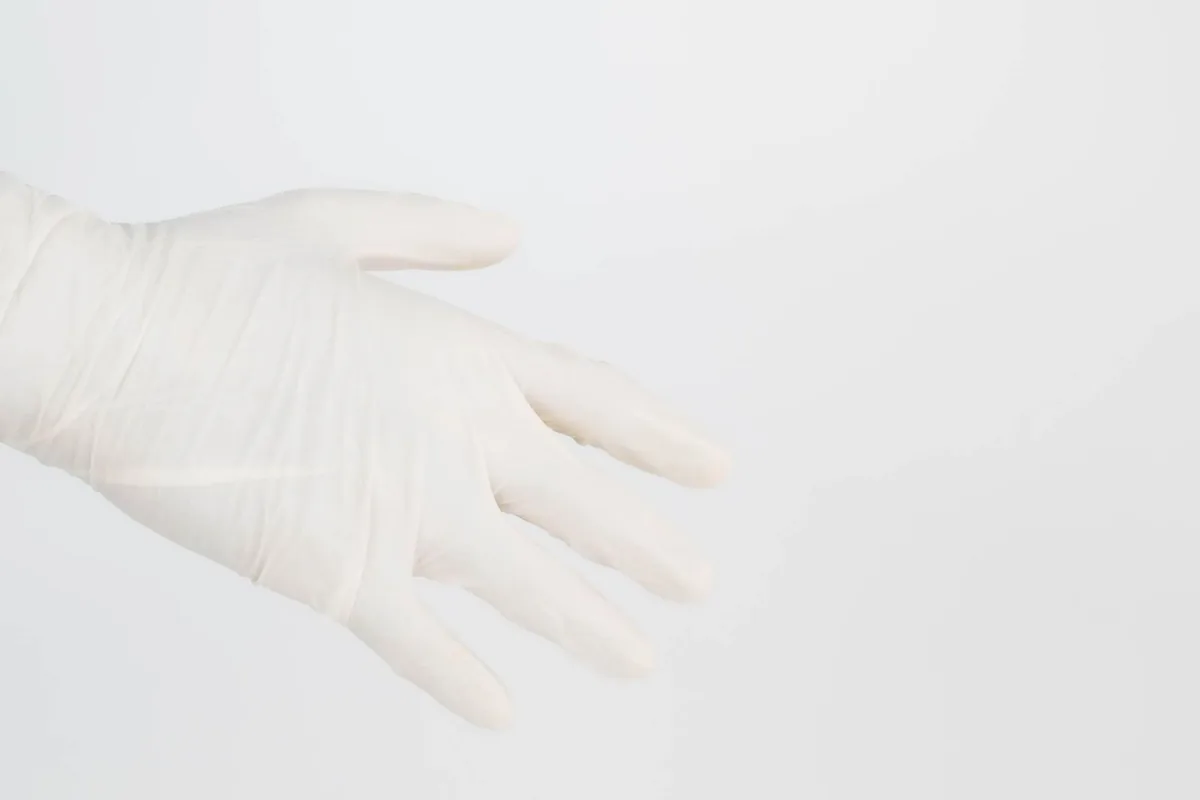
Feces removal is the first stage of cleaning up human waste. The waste is lifted with protective gear and disposable tools, soaked materials are taken out, and surfaces are disinfected afterward.
From a single soiled room to a larger contamination, you can get bodily fluid cleanup for St. George and the rest of St. Louis County from St. George Biohazard Cleanup Help. The work is private, careful and focused on safety.
After a visit to Mercy Hospital South in Saint Louis, fluids are often left behind in a car, a bathroom or a bedroom, and cleanup can begin once everyone is safe. In St. Louis County, about 19% of residents are older adults, which is why families and caregivers often ask about fluid cleanup after a health emergency at home.
The work often covers:
Before anything is touched, the crew looks over the room for sharp objects, hidden pooling and fragile belongings.
Technicians wear full protective equipment and close off the area to stop cross-contamination.
Fluids, stained porous materials and contaminated debris are removed. Surfaces that can stay are cleaned and disinfected.
Lingering smells are treated, the waste is hauled away, and a last walk-through confirms the area is ready.
Bodily fluid cleanup in St. George, MO typically costs $300 to $4,000, depending on the size of the affected area and the materials involved.
The number of rooms involved changes the total, since each affected area needs its own containment, cleaning and disinfection.
| Type of job | Typical range |
|---|---|
| Small blood or fluid cleanup | $500 - $2,500 |
| Blood cleanup, published span | $300 - $4,000 |
Published ranges only (BioCleaners Directory, Biohazard cleanup company pricing guide); every bodily fluid cleanup job in St. George is priced after an on-site look. Price drivers include type and amount of fluid, porous or hard surfaces, waste disposal, whether odor treatment is needed. Questions? Call (877) 812-4220.
Yes. Touching feces or contaminated surfaces and then your mouth, nose or eyes can spread germs. Wear gloves and eye protection, wash your hands well afterward and keep children and pets away. A cleanup team has the right gear for larger jobs.
At a home, the owner or the family usually pays. At a rental or a business, the landlord, property owner or employer often gets the cleanup done. In a rental, the lease and local law decide, and a landlord, an attorney or a tenant rights group can say.
It is the removal and disinfection of blood, vomit, urine, feces and other body fluids from surfaces and materials. Cleaners wear protective gear, remove soaked items and dispose of waste safely. The aim is to stop germs from spreading.
Yes, human feces can carry bacteria and viruses such as E. coli, hepatitis A and norovirus. In a home or business it should be cleaned with gloves, disposable tools and a disinfectant, or by a cleanup team when the amount is large.
Breathing the odor of feces is unpleasant and can irritate the nose, throat and eyes. Dried waste can also release particles when it is disturbed. Ventilate if you can, avoid sweeping or scrubbing, and call a cleanup team for large amounts.
Urine is treated with caution when it is part of a contamination, especially if mixed with blood or other fluids. Large amounts that soak into flooring or mattresses are cleaned with protective gear and disinfected. Odor often stays behind unless the soaked materials are removed.
Calls are answered 24/7, and the job is planned on the call.
Call (877) 812-4220